 Tacho ServicesSpeedo & Odo Specialists
1. Mechanical speedometer systems
Older vehicles and many commercial vehicles use a mechanical speedometer cable. A speed sensor or drive on the gearbox rotates as the vehicle moves. That rotation is carried up the cable to the speedometer, which converts it into a speed reading while the odometer records distance travelled.
1
GearboxOutput shaft turns with road speed
2
Speed drive / senderConverts shaft rotation to cable drive
3
Speedometer cableInner cable spins inside the outer sheath
4
Speedo & odometerNeedle shows km/h, drum counts km
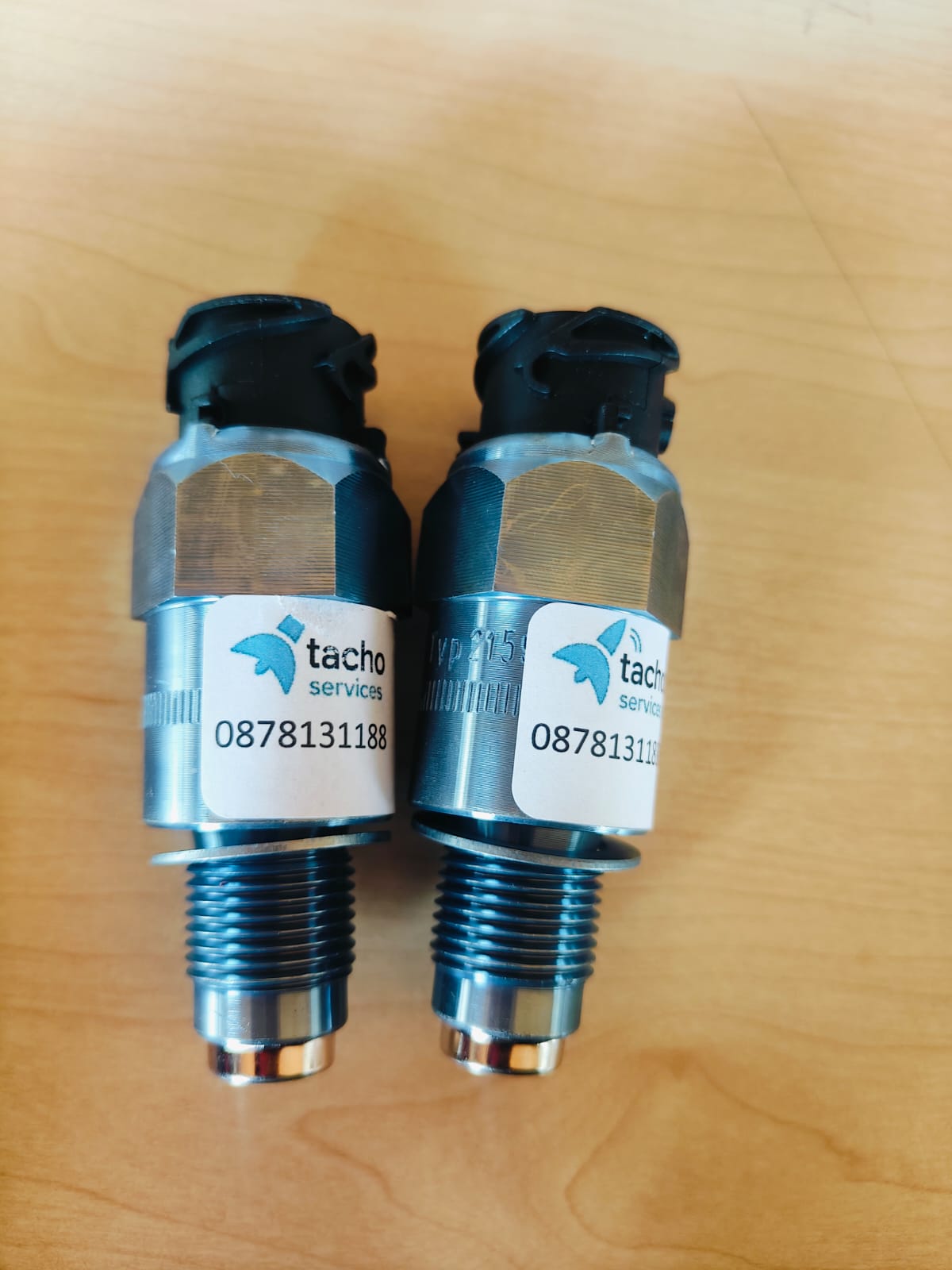
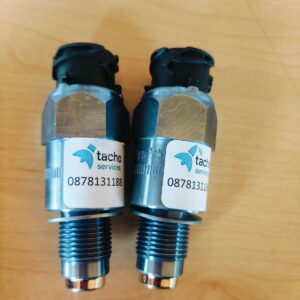
If it stops working, the cause is usually a broken gearbox speed sensor, a snapped or worn speedometer cable, a worn drive mechanism, or a faulty speedometer/odometer head. Tacho Services can supply replacement gearbox speed senders and source the correct speedometer cable for your vehicle.